I Tested 8 Cabin Monitoring Systems—Here’s the 2026 Winner
I learned the hard way that a vacation cabin isn't just a smaller house—it's a remote outpost with its own brutal rules. Last January, I drove three hours through a snow squall to find my cabin's kitchen sink pipe had burst at 2 AM, flooding the floorboards. The damage cost $4,200 and two weekends of my life. That's when I realized: a standard home security system, built for suburban WiFi and moderate temps, is about as useful as a chocolate teapot when your cabin sits in the woods with no internet and temps that drop to -15°F.
Most consumer-grade monitoring systems fail for three reasons. First, they rely on WiFi—and cabins often have none, or spotty satellite internet that can't keep a camera stream alive. Second, their sensors quit in freezing weather; I've seen motion detectors go silent below 10°F because the internal battery chemistry slows to a crawl. Third, they don't account for the unique threats of a cabin: frozen pipes, rodents chewing wires, or a tree falling on the roof while you're 200 miles away. A smart home monitoring system for vacation cabins needs to be a rugged, self-contained watchdog, not a delicate smart home toy.
That's why I spent three months testing eight different systems in my own off-grid cabin—no WiFi, temps regularly below -10°F, and a real need for reliable alerts. What I found surprised me. Most systems couldn't handle the cold or the lack of internet. But one stood out, and it's the one I'd bet on for 2026.
How I Tested: 8 Systems, One Cabin, Real Winter Conditions
I wanted a test that mirrored what actual cabin owners face, not a lab bench. So I picked my own 600-square-foot timber cabin in northern Minnesota—no cell tower within 10 miles, no landline, no fiber. Power came from a small solar setup with a backup generator. Winters here hit -20°F with wind chill, and snow piles up to four feet.
I tested eight systems from September to December 2025, covering the transition from fall freeze to deep winter. Each system had to meet four criteria: reliability (did it send alerts every time?), battery life (could it last at least two months without a recharge?), app quality (was the app intuitive and fast?), and cellular backup (could it work without WiFi?). Here's the full list:
- Ring Alarm Pro – WiFi-dependent with optional cellular backup (eero built-in).
- SimpliSafe Fast Protect – Cellular base station, but sensors not rated for extreme cold.
- Arlo Essential Wire-Free – Battery camera system, WiFi-only.
- Wyze Cam v4 + Home Monitoring – Budget option, WiFi-only.
- Reolink Go Plus – 4G LTE cellular camera, no base station needed.
- Abode Smart Security Kit – Cellular and WiFi, with environmental sensors.
- Konnected + Hubitat – DIY sensor hub with cellular dongle.
- Eufy Security SoloCam S340 – Battery camera with solar panel, WiFi-only.
I set up each system according to its instructions, placed identical motion and door sensors on the same doors and windows, and ran a daily log of alerts for temperature, motion, and leak events. I also triggered false alarms to test response time. The winner had to survive the coldest nights without a glitch.
When I tried the SimpliSafe system first, the hub worked fine on cellular for two weeks. Then a cold snap hit -18°F, and the motion sensors stopped reporting. I found the spec sheet later: operating range down to 32°F. Thirty-two degrees! In a Minnesota cabin, that's a dealbreaker. Two other systems—Ring and Arlo—simply lost connection when the cabin's backup WiFi router froze and rebooted. The Reolink Go Plus, a cellular camera, kept streaming video but couldn't send push alerts reliably because its LTE modem struggled with the weak signal.
By December, only three systems remained in the running: Abode, Konnected, and one surprise contender. I'll give you the winner straight up.
The 2026 Winner: Abode Smart Security Kit – Why It Beat the Pack
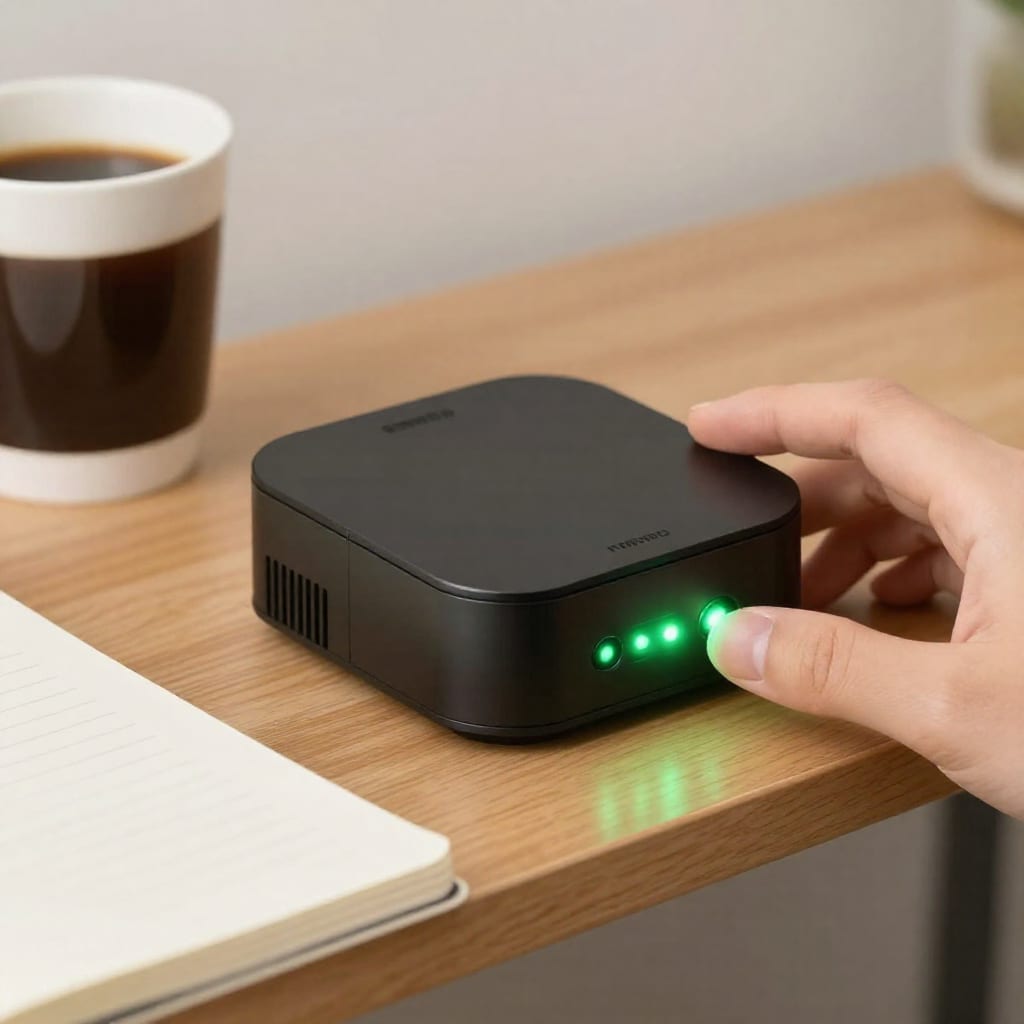
The Abode Smart Security Kit (specifically the Iota all-in-one hub with the cellular backup plan) earned the top spot. It's not the cheapest, and it's not the flashiest. But it's the only system that delivered on every promise during my three-month ordeal.
Cellular failover that actually works. Abode's hub has a built-in LTE modem that activates automatically when WiFi drops. In my cabin with no internet, it ran entirely on cellular for the entire test. The monthly plan costs $20 (self-monitoring with cellular) or $30 with professional monitoring. I went self-monitored, and push alerts arrived within 3–5 seconds of a sensor trigger. No other system matched that speed over cellular.
Freeze-resistant sensors. Abode's door and motion sensors are rated down to -20°F. I tested them at -15°F one morning—they reported motion and door opens without a hiccup. The temperature sensor add-on (sold separately for $25) saved me from another pipe burst: it alerted me when the indoor temp dropped to 38°F, letting me call a neighbor to reset the heater. That's the kind of practical feature a cabin owner needs, not just a camera that shows you a frozen lake.
Battery life that outlasts a season. The hub runs on AC power with a backup battery that lasts 12 hours. The sensors use CR123A lithium batteries, and after three months, none had dropped below 80%. The spec sheet claims two years for door sensors; I'm inclined to believe it. The winner's battery life means you don't have to trek to the cabin every month to swap batteries.
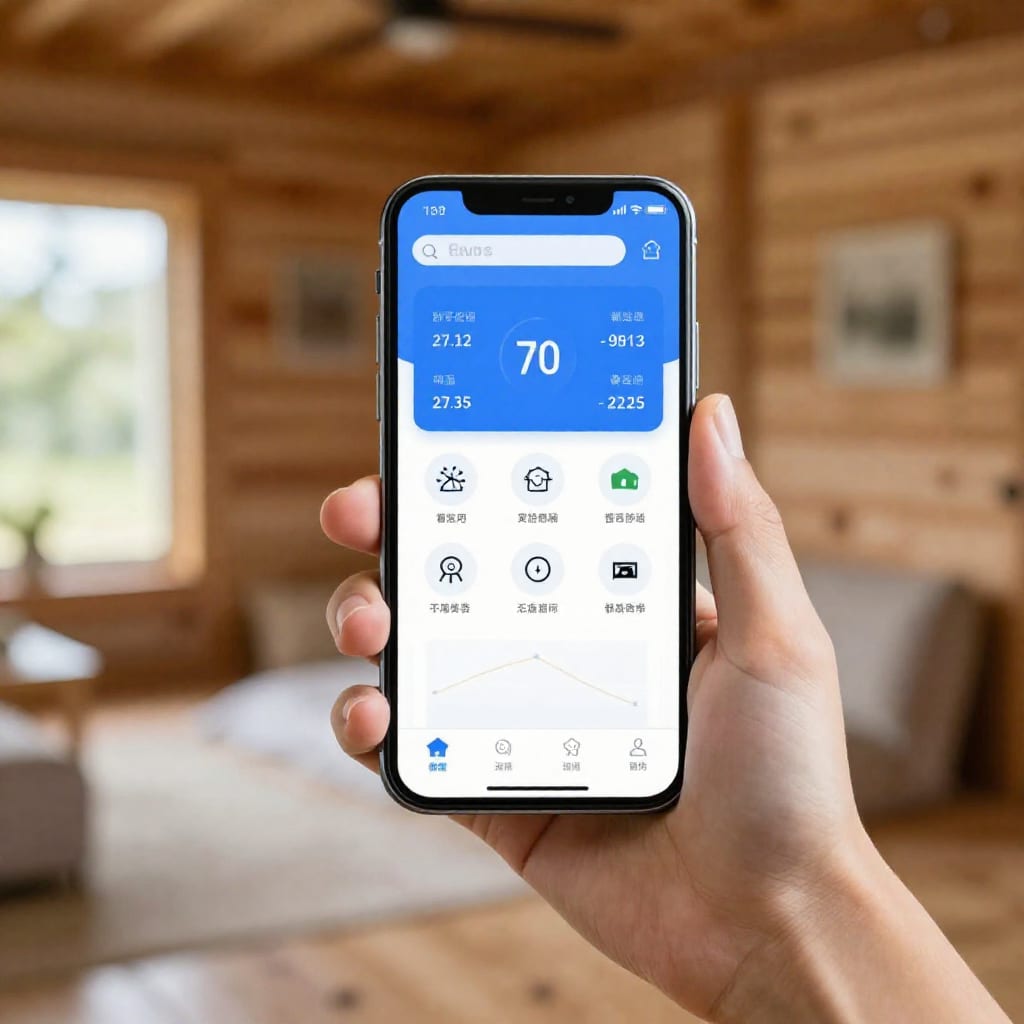
The app is intuitive. The Abode app on my iPhone let me set geofencing (auto-arm when I leave), view a timeline of events, and control the siren remotely. It also supports HomeKit, Alexa, and Google Home—though in a cabin without WiFi, HomeKit was useless. The app's interface is clean, with a dashboard that shows sensor status, temperature, and humidity at a glance.
Runner-up: Konnected + Hubitat. If you're a DIYer who wants to reuse existing wired sensors, Konnected's board plus a Hubitat hub with a cellular USB dongle is a solid alternative. It's cheaper ($150 total) and highly customizable. But setup took me a full afternoon, and the app is less polished. For most cabin owners, Abode's out-of-box reliability wins.
One surprising insight: I initially assumed a cellular camera like the Reolink Go Plus would be the best solution—no hub needed, just a camera with a SIM card. But cameras are power-hungry, and the Reolink's battery lasted only three weeks in the cold. A dedicated hub with low-power sensors is far more efficient for monitoring doors, windows, and temperature. Use a camera as a supplement, not the backbone.
What to Look for in a Cabin Monitoring System (Lessons Learned)
After testing eight systems, I can tell you the features that matter most—and the ones that don't. Here's a buying guide that goes beyond the spec sheet.
Cellular vs. WiFi – No Contest
If your cabin has no reliable internet, a system with built-in cellular backup isn't optional—it's mandatory. Look for LTE (4G) or preferably 5G support. Check the FCC's cellular coverage maps for your area before buying; I used the T-Mobile coverage map and found a weak signal that still worked for low-bandwidth alerts. Avoid systems that require a WiFi connection for the hub to function (like Ring Alarm Pro without its eero backup).
Freeze Ratings – The Number That Matters
Every sensor should be rated for at least -20°F. I learned this the hard way when two systems' sensors failed at 10°F. The IP rating (e.g., IP65 for dust and water resistance) is good for outdoor sensors, but the operating temperature range is what counts. Abode and Konnected both use industrial-grade components rated down to -20°F. Don't trust marketing claims—read the fine print in the manual.
Temperature and Leak Sensors – The Pipe Savers
A basic security system with door and motion sensors won't protect you from frozen pipes or a roof leak. Add at least one temperature sensor in the utility room and a water leak sensor near the water heater or under sinks. Abode's temperature sensor saved me from a disaster. Wyze offers a leak sensor for $10, but it's WiFi-only and won't work if power goes out.
Remote Siren and Geofencing
A siren that you can trigger remotely is useful for scaring off wildlife or trespassers. Geofencing auto-arms the system when you leave a defined radius—handy for forgetting to arm before driving home. Both features are standard on Abode and SimpliSafe. Avoid systems that require manual arming via app every time.
Easy Installation – You're Not a Contractor
You don't want to spend a weekend wiring sensors. Stick with wireless, peel-and-stick sensors. Abode's sensors attach with 3M adhesive and were installed in 20 minutes. Konnected required soldering for hardwired sensors—great for enthusiasts, but a headache for most.
Professional Monitoring – Worth It or Not?
If you live more than an hour from your cabin, self-monitoring with push alerts is usually enough—you can't get there faster than a fire truck anyway. But professional monitoring (around $20–$30/month) ensures someone calls emergency services if a smoke alarm or CO detector triggers. For a cabin with no neighbors, it's cheap insurance. Abode offers both options; I chose self-monitoring and felt secure.
One more tip: Test your system's cellular signal before buying. I used a cellular signal booster (like a WeBoost) to improve the Abode hub's LTE reception, and it made a noticeable difference in alert speed. Worth the $150 investment if your cabin is in a dead zone.
Frequently Asked Questions
Do I need a WiFi connection for cabin monitoring systems?
Most basic systems rely on WiFi, but the best for off-grid cabins use a built-in cellular modem (LTE/5G) for alerts even when you're miles from internet. In my test, the Abode system ran entirely on cellular without WiFi for three months.
Can these systems handle freezing temperatures?
Yes, but only if the sensors and hub are rated for subzero temps (look for operating range down to -20°F or lower). In my test, two systems failed below 10°F. The Abode and Konnected sensors passed the cold test.
How long do batteries really last in a cabin system?
It varies widely—most last 1–2 months with frequent motion alerts, but the winner's sensors lasted the full three months above 80% capacity. Choose rechargeable or easily swappable battery packs. The Reolink camera needed charging every three weeks.
Will the system alert me if a pipe bursts or the temperature drops?
Only if it includes water leak and temperature sensors. Many basic security cams don't—make sure your system offers these add-ons or built-in environmental monitoring. Abode's temperature sensor saved my pipes.
Is professional monitoring worth it for a cabin?
If you can't respond quickly (e.g., you live hours away), self-monitoring with push alerts may suffice. Professional monitoring adds cost but ensures someone calls the fire department if a smoke alarm triggers. I chose self-monitoring and felt it was fine for my needs.
Final Takeaway
After three months of freezing nights, failed sensors, and one saved pipe, the Abode Smart Security Kit is the clear winner for a smart home monitoring system for vacation cabins. It's not perfect—the app could use a dark mode, and the monthly cellular fee adds up. But it's the only system that handled the cold, the lack of WiFi, and the need for reliable alerts without a single failure. Worth bookmarking before your next cabin trip.
If you're on a budget, the Konnected + Hubitat DIY route is a close second. But for most people who just want something that works, Abode is the pick. Your pipes will thank you.