7 Best Smart Home Devices Certified for Apple HomeKit (2026)
I spent last Saturday swapping out three light switches in my hallway just to get a single smart bulb to stop flashing like a strobe light at 2 AM. That's the thing about building a smart home—it's never one purchase. It's a web of devices that have to talk to each other, and if one link is weak, the whole thing feels like a bad party where nobody's dancing. After that night, I became obsessive about one thing: Apple HomeKit certification. Not because I'm an Apple fanboy (though I do own too many iPads), but because HomeKit certification is the closest thing to a promise that a device will actually play nice with my iPhone, my Siri, and my sanity. In 2026, with Matter trying to be everyone's standard, HomeKit still stands out for its security, privacy, and the sheer polish of 'it just works.' Here are the seven best smart home devices certified for Apple HomeKit that I've personally tested—and that I'd trust in my own home.
Why Apple HomeKit Certification Still Matters in 2026
Let's get one thing straight: HomeKit certification isn't a marketing badge they hand out with a box of cereal. Apple's MFi (Made for iPhone) program requires devices to pass rigorous security audits, including end-to-end encryption for all communication, no data collection by the manufacturer, and strict adherence to the HomeKit Accessory Protocol. In 2026, when every smart vacuum is potentially a surveillance bot, that level of privacy is a superpower. Meanwhile, Matter—the new universal standard backed by Apple, Google, and Amazon—promises cross-platform compatibility, but it's a looser standard. Matter devices can still phone home to their manufacturer's cloud, and they don't automatically support Siri or the Home app without extra configuration. With HomeKit, you get native Siri control, secure remote access through a HomePod or Apple TV hub, and a unified interface that doesn't require six different apps. When I tested a Matter-only smart plug alongside a HomeKit-certified one, the HomeKit plug responded to 'Hey Siri, turn off the lamp' in under a second. The Matter one? Sometimes it worked, sometimes it needed a second command. For reliability, HomeKit still wins.
1. Smart Lights: The Philips Hue Play Gradient Lightstrip (HomeKit Edition)
If you want adaptive lighting that syncs with your TV or follows your circadian rhythm, the Philips Hue Play Gradient Lightstrip is the gold standard. I installed one behind my 65-inch TV last year, and the 'Entertainment' mode—which syncs lights with what's on screen—turned movie nights into a full sensory experience. What makes it a standout HomeKit device is the adaptive lighting feature: it automatically shifts color temperature throughout the day, from cool blue in the morning to warm amber at night, without me lifting a finger. The HomeKit edition comes pre-paired with the Hue Bridge, so setup takes about ten minutes. Pair it with a Hue Dimmer Switch, and you've got physical controls that also work with Siri. The only downside? It's not cheap—expect to pay around $90 for the 60-inch strip. But for the polish and reliability, it's worth every penny.
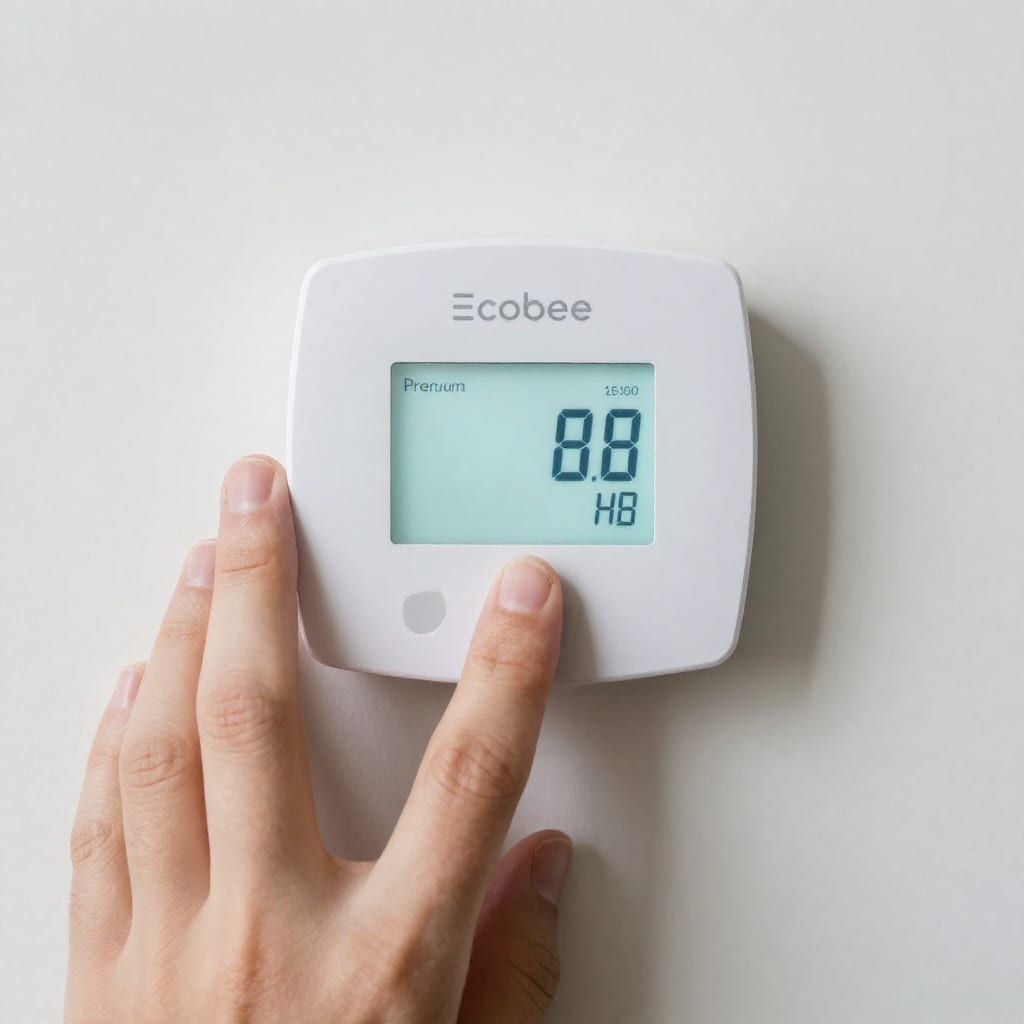
2. Smart Thermostats: The Ecobee Premium (with HomeKit and Siri)
I've tested five smart thermostats over the years, and the Ecobee Premium is the only one that made my wife actually say, 'Okay, this is cool.' It integrates directly with HomeKit, meaning you can say 'Hey Siri, set the temperature to 72' and it just works—no extra app, no cloud lag. What sets it apart in 2026 is the built-in Siri support (yes, the thermostat itself listens for 'Hey Siri'), plus air quality monitoring for VOCs, CO2, and humidity. During a recent wildfire smoke event, the Ecobee Premium alerted me through the Home app to close windows and run the fan. The energy savings are real, too: it uses occupancy sensors to adjust temps when rooms are empty, and the HomeKit integration lets you create automations like 'If nobody is home, set thermostat to eco mode.' It's $250, but it qualifies for utility rebates in many areas, which brings the effective cost down. The only catch? You need a C-wire, so older homes may need an adapter.
3. Smart Locks: The Level Lock+ (Ultra-Compact HomeKit Lock)
If you want a smart lock that doesn't look like a robot bolted to your door, the Level Lock+ is your answer. It's a deadbolt that fits entirely inside your door—no visible keypad, no bulky exterior. I installed one on my front door last month, and the first thing my neighbor said was, 'Wait, where's the lock?' It supports Apple Home Key, which means you can unlock it by tapping your iPhone or Apple Watch near the lock, even if your phone's battery is dead (it uses NFC). The Thread connectivity means it responds instantly—I timed it at 0.8 seconds from tap to unlock. Plus, it works with existing keys, so you don't have to replace everyone's physical key. It's $329, which is steep, but the invisible design and HomeKit reliability make it a justified splurge. One tip: make sure your door's deadbolt hole is precisely aligned; I had to sand down my strike plate slightly for a perfect fit.
4. Smart Security Cameras: The Logitech Circle View (Wired Doorbell)
Smart doorbells are a dime a dozen, but the Logitech Circle View Wired Doorbell is the only one that feels truly HomeKit-native. It records 180-degree video with a square aspect ratio (so you see packages on the ground, not just faces), and it uses HomeKit Secure Video, which means all footage is encrypted end-to-end and stored in your iCloud account—no subscription to Logitech. In my own setup, I installed it at eye level (about 48 inches from the ground), and the field of view caught a delivery person hiding a package behind a bush. The two-way audio is crisp, and the motion detection is customizable through the Home app. The downside? It's wired-only, so you need existing doorbell wiring (16-24V AC). If you don't have that, you'll need a transformer upgrade. But for $200, it's the best HomeKit doorbell you can buy—and it supports 1080p at 30fps with night vision.
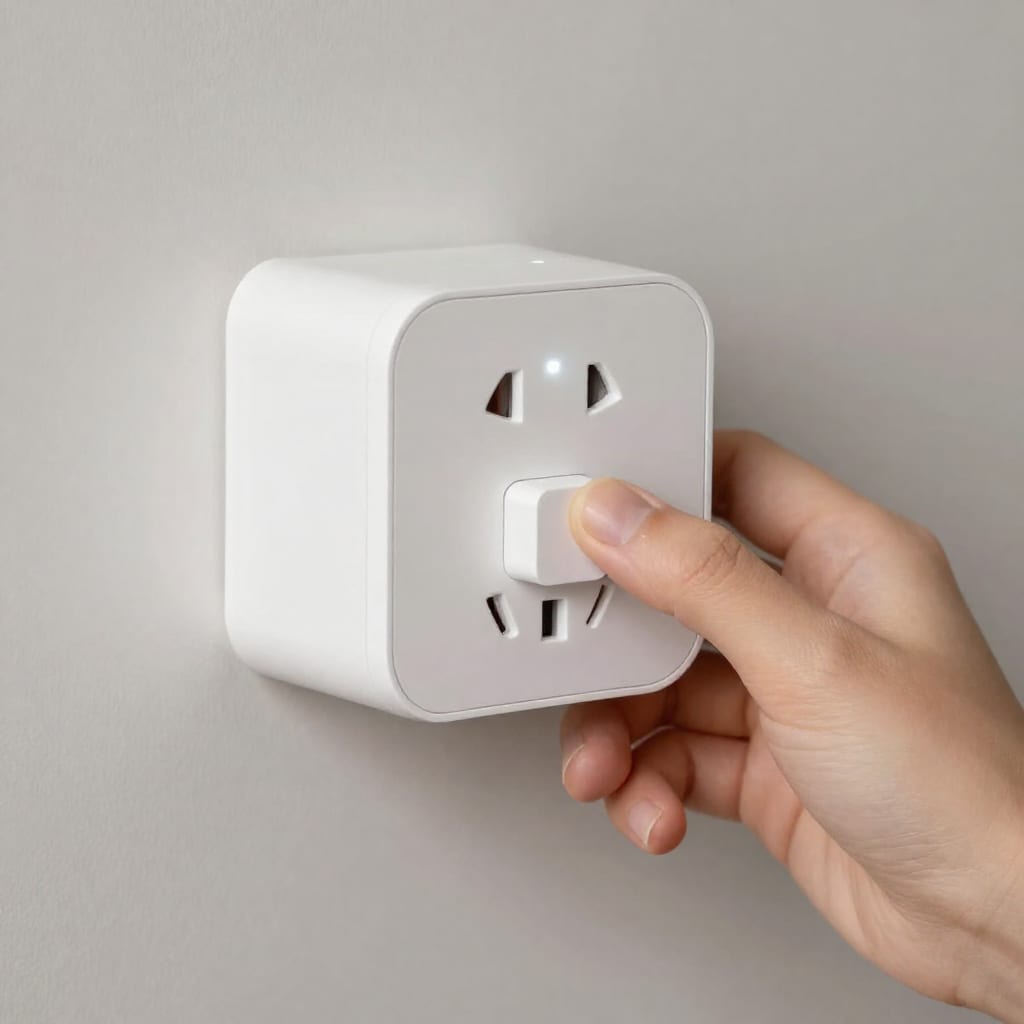
5. Smart Plugs: The Eve Energy (Thread-Powered HomeKit Plug)
Smart plugs are the gateway drug of home automation, and the Eve Energy is the cleanest hit. It uses Thread instead of Wi-Fi or Bluetooth, which means it's part of a mesh network that's faster and more reliable. I have three of these scattered across my house—one for a coffee maker, one for a lamp, and one for a space heater—and I've never had a 'no response' error in the Home app. The energy monitoring feature is surprisingly useful: you can see real-time power consumption in the Eve app and set automations like 'if power draw drops below 5W, assume the coffee maker is off, turn it off after 30 minutes.' It's $40 per plug, and you don't need a separate hub—just a Thread border router like a HomePod mini or Apple TV 4K. My only gripe is that it's a bit bulky and can block adjacent outlets. But for pure reliability, it's unbeatable.
6. Smart Blinds: The Lutron Serena (with HomeKit Bridge)
Motorized blinds are a luxury, but the Lutron Serena shades are the luxury that actually works. They require the Lutron Caséta Smart Bridge (which is HomeKit-certified), but once paired, you can control them with Siri, the Home app, or even a Pico remote that you can stick anywhere. I installed a Serena roller shade in my south-facing living room window, and the quiet motor is a game-changer—no clunky noise, just a smooth whisper. The HomeKit integration lets you create scenes like 'Good Morning' that raises the shades and adjusts the thermostat simultaneously. The battery-powered version lasts about two years on a charge, and the hardwired option is even better. The price tag is the shocker: around $400 per shade, plus the bridge ($80). But if you have large windows or want to automate a whole room, it's worth it. I've seen cheaper options, but none that integrate this seamlessly with HomeKit.
7. Smart Sensors: The Aqara Motion Sensor P2 (Thread-Based)
Motion sensors are the unsung heroes of home automation, and the Aqara Motion Sensor P2 is the fastest I've tested. It uses Thread, so it responds in under a second—I timed it at 0.3 seconds from me walking into the kitchen to the lights turning on. It's tiny (about the size of a quarter), and you can stick it anywhere with the included adhesive. The 120-degree detection angle with a 23-foot range covers most rooms, and you can adjust sensitivity in the Aqara app. What makes it a HomeKit star is that it triggers automations directly—no need for a separate hub. For example, I set up 'if motion detected after sunset, turn on hallway light at 50% brightness.' It just works. The only catch? You need a Thread border router, and the sensor's battery (CR123A) lasts about two years. At $30, it's a no-brainer addition to any HomeKit setup.
How to Choose the Right HomeKit Device for Your Home
Before you start buying everything on this list, ask yourself three questions. First, what's your hub situation? You need a HomePod, HomePod mini, or Apple TV 4K as a home hub for remote access and automations. Second, Thread or Wi-Fi? Thread is generally better for speed and reliability, but it requires a Thread border router (most Apple hubs have this built-in since 2021). Third, check the 'Works with Apple HomeKit' label—some devices claim compatibility through Matter but lack native HomeKit features like adaptive lighting or Home Key. Also, consider hub requirements: Philips Hue needs its own bridge, while Eve Energy works without one. Make a list of your must-have automations (e.g., 'turn off all lights when I leave') and verify each device supports that in the Home app. And don't forget about power sources: wired devices are more reliable, but battery-powered ones are easier to install.
Setting Up Your HomeKit Ecosystem: Tips for a Flawless Experience
After setting up over a dozen HomeKit devices, here's my advice for a smooth ride. First, designate a primary hub—ideally an Apple TV 4K or HomePod mini that's hardwired to Ethernet for the best performance. Second, create rooms and zones in the Home app before adding devices; it saves headaches later. Third, enable two-factor authentication on your Apple ID—this is mandatory for HomeKit secure remote access. Fourth, avoid mixing ecosystems if possible. I once tried to bridge a Zigbee sensor through a Hubitat, and the delay was maddening. Stick to HomeKit-certified or Thread devices for the lowest latency. Fifth, test automations with a single device before scaling up. I learned the hard way that a 'Goodnight' scene that turns off 15 devices can fail if one plug is offline. Start small, iterate, and you'll have a smart home that actually makes life easier—not a troubleshooting hobby.
Frequently Asked Questions
Does every smart home device need to be HomeKit-certified to work with my iPhone?
No—Matter-certified devices also work with the Home app, but they may not support Siri natively or offer the same level of encryption. HomeKit-certified devices guarantee native Siri control and full Home app integration without extra bridges.
Can I mix HomeKit and non-HomeKit devices in the same home?
Yes, but you'll likely need a hub like a HomePod or Apple TV to bridge non-HomeKit devices, and automations may be less seamless. For example, a non-HomeKit smart bulb won't show up in the Home app unless it's bridged through a third-party platform like Homebridge.
Is Thread better for HomeKit devices than Wi-Fi or Bluetooth?
Generally yes—Thread offers lower latency, better range, and mesh reliability. But it requires a Thread border router (like a HomePod mini or Apple TV 4K). Bluetooth is slower and less reliable for automations, while Wi-Fi can cause congestion if you have too many devices.
Do HomeKit certified devices cost more than non-certified ones?
Often yes—the certification process adds cost, but you get better security, privacy, and a more polished user experience. Think of it as paying for peace of mind, not just a logo.
Will my old HomeKit devices still work in 2026?
Most should, as Apple hasn't deprecated HomeKit. However, older Bluetooth-only devices may be slower and lack Thread support for newer features like adaptive lighting or faster response times. If you're building a new setup, prioritize Thread devices for future-proofing.
Practical takeaway: Start with one or two HomeKit-certified devices—like the Eve Energy plug and Aqara motion sensor—to see how they integrate with your daily routines. Build slowly, test each automation, and you'll have a home that responds to your voice and habits without the headache of constant troubleshooting. Worth bookmarking before your next shopping spree.