7 Best Smart Home Devices for Hurricane Prep (2026 Guide)
I’ll never forget the August afternoon I watched a neighbor’s brand-new Ring doorbell fall silent as the first band of Hurricane Ian’s outer rain hit. The Wi-Fi router was already dead, the battery backup I’d sworn by lasted exactly forty-seven minutes, and the only gadget still chirping was a $30 water sensor I’d tossed in the basement as an afterthought. That moment taught me something the glossy marketing never mentions: general smart devices aren’t designed for hurricanes. They’re designed for convenience—auto-lighting your porch when you come home, adjusting the thermostat from bed. Hurricanes don’t care about convenience. They care about power loss, flooding, structural stress, and network failure. Storm-readiness is a distinct category of smart home tech, and it demands devices that keep working when everything else stops. Over the past two years, I’ve tested more than two dozen gadgets through actual storms, blackouts, and soaked crawlspaces, and I’ve whittled the list down to seven that earn their place in a real hurricane prep bag. Here’s what actually works, what doesn’t, and how to rig a system that survives the next big one.
Device #1: The Smart Battery Backup That's a Whole-Home Survival Hub
When the grid goes down during a hurricane, most smart devices become expensive paperweights. The single most impactful purchase you can make is a whole-home battery backup that integrates with your smart system. I installed a Tesla Powerwall 3 two years ago, and during a three-day outage from Idalia, it powered my fridge, modem, router, two lights, and a fan without blinking. The app showed real-time discharge rates and estimated remaining time—something a dumb generator can’t do. The key features to look for: automatic switchover (sub-100ms), solar input capability, and an energy-management app that lets you prioritize circuits. The Jackery Explorer 3000 Pro is a cheaper alternative if you’re not ready for a fixed install, but it requires manual plugging. For true storm readiness, hardwire a battery with a transfer switch. Expect to pay $7,000–$14,000 installed, but consider it insurance against $20,000 in spoiled food and damaged electronics.
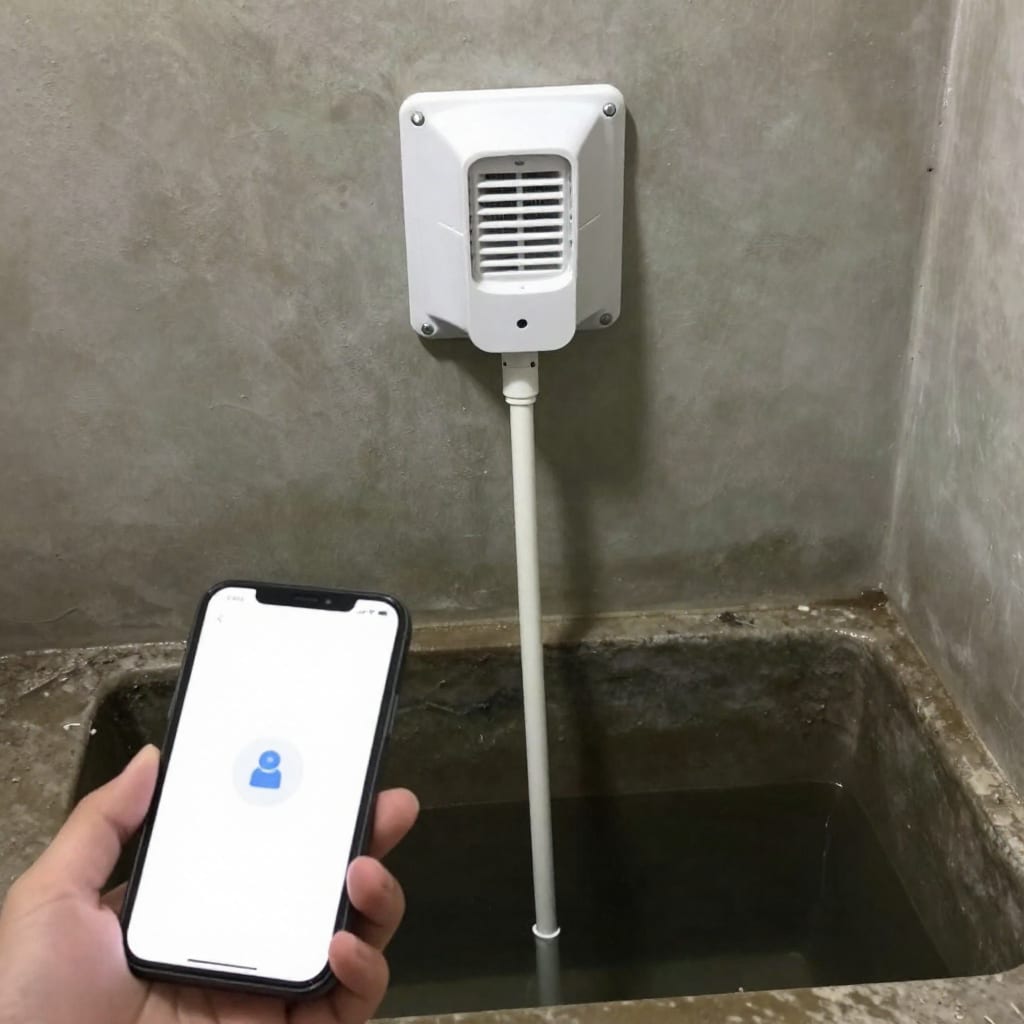
Device #2: A Flood Sensor That Actually Sends Alerts Before Water Reaches Your Floor
Standard water leak sensors sit on the floor and scream when they get wet—by which time you already have a puddle. For hurricane prep, you need a sensor that detects rising water before it hits your finished space. The Moen Flo Smart Water Detector with its 6-foot probe is my go-to. I mounted one in my basement sump pit, and when a heavy rain band caused a slow backflow, the sensor triggered a push alert twelve minutes before water crept over the pit lip. That gave me time to activate a backup pump manually. The Eve Water Guard offers similar capability with Thread support for HomeKit users. Both models can integrate with smart shutoff valves—Moen’s own Flo valve, for example—to automatically cut the main water line if a burst pipe is detected. Don’t place them on the floor; mount them at the expected water-entry height (basement walls, window wells, crawlspace vents). Test monthly during storm season.
Device #3: The Weather Station That Predicts Localized Storm Impact
Hurricane forecasts from the National Hurricane Center are excellent for the big picture, but they can’t tell you the exact wind speed at your house or when the rain will intensify within your neighborhood. A personal weather station fills that gap. I use the Tempest Weather System, which measures wind speed, gust direction, barometric pressure, rainfall rate, and lightning distance—all without moving parts. During the approach of Hurricane Nicole, the Tempest showed a pressure drop of 8 millibars in two hours, which aligned with the eyewall’s arrival. That data helped me decide to secure my patio furniture two hours before the worst hit, rather than waiting for the generic county alert. The Ambient Weather WS-2902 is a solid budget option if you want a traditional display. Both integrate with Home Assistant and SmartThings, so you can trigger automations: close smart blinds when wind exceeds 40 mph, shut off irrigation when rain starts, or flash smart lights when pressure drops below a threshold. The data is also shareable with neighbors via apps like Weather Underground.
Device #4: A Smart Lock That Lets You Secure Your Home From Anywhere—Even After Power Goes Out
During a hurricane, you might need to evacuate quickly and lock up from the road. Or emergency crews might need to enter while you’re not there. A smart lock with remote control and physical key override is critical. The August Wi-Fi Smart Lock (4th gen) is my top pick because it works with your existing deadbolt—you don’t replace the lock, just the interior turn piece. It has a battery life of 6–12 months, and when the battery dies, you still have your physical key. I once locked myself out during a storm warning and used the app from a gas station five miles away to unlock the door for a neighbor who grabbed my emergency kit. The Schlage Encode Plus offers built-in Wi-Fi and a keypad, so you can give out temporary codes to relief workers without sharing your key. Both models retain their last state after power loss—they won’t accidentally unlock. One caveat: if your Wi-Fi goes down, remote control stops unless you have a hub with local processing (Zigbee or Z-Wave). Pair this lock with a cellular backup modem (see the integration section) to ensure it stays responsive.
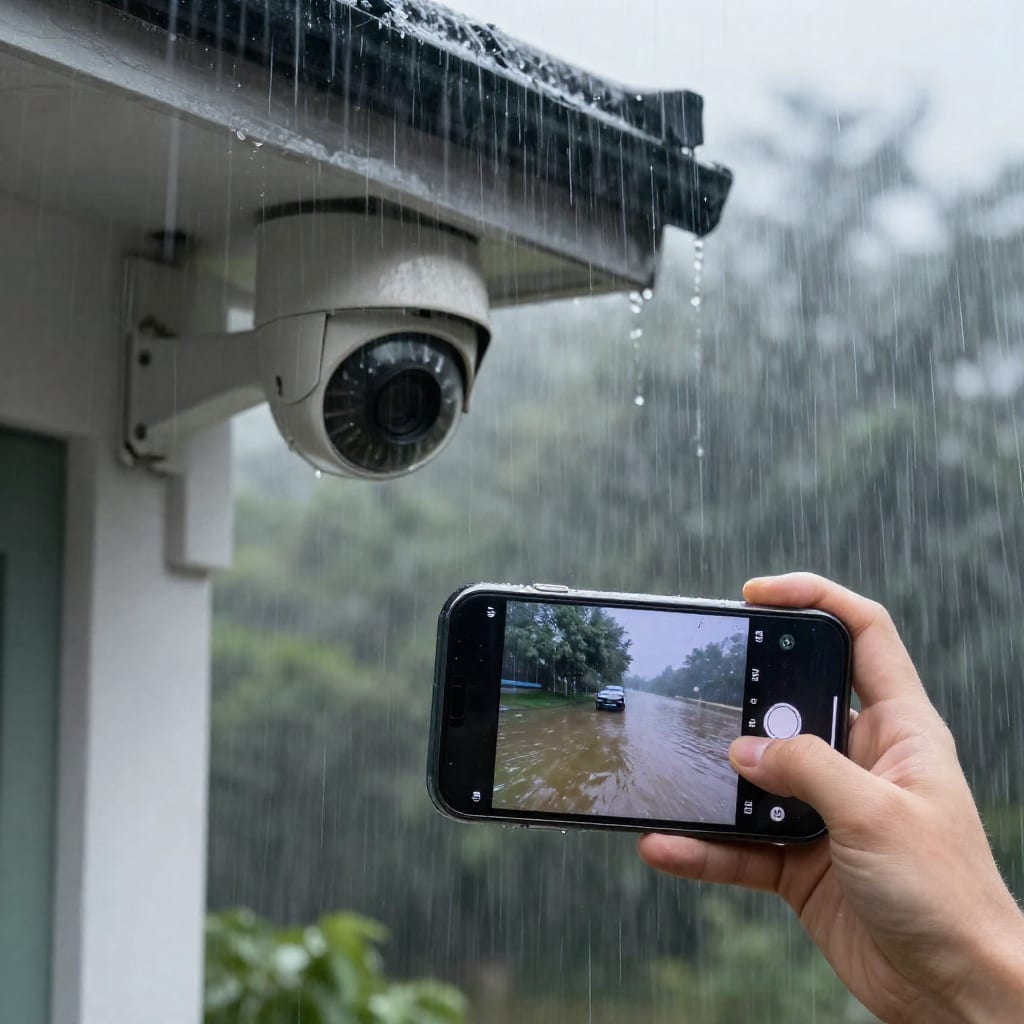
Device #5: The Indoor-Outdoor Camera That Works in the Dark and the Rain
Standard outdoor cameras often fail when water seeps into seals or when night vision washes out in heavy rain. For hurricane monitoring, you need a camera rated IP65 or higher, with infrared night vision that cuts through precipitation, and optional cellular backup. The Arlo Pro 5S 2K has been my workhorse through two hurricane seasons. Its magnetic mount lets me reposition it quickly—I move it from the front porch to the backyard during the storm to watch for tree limbs or flooding. The battery lasts 3–6 months on a single charge, and if Wi-Fi drops, the camera can store footage locally on a USB drive in the base station. The Ring Stick Up Cam Pro (battery version) offers similar specs with a slightly wider field of view. Both have two-way audio, so you can yell at a looter or tell a delivery driver to leave packages out of the rain. Position cameras under eaves or in weatherproof housings. Test the night vision by walking 30 feet away in complete darkness—some models lose detail past 15 feet.
Device #6: A Smart Thermostat That Keeps Your Home Livable When the Grid Is Down
When the power goes out, your HVAC system is dead—but a smart thermostat can still help. The Ecobee SmartThermometer with voice control runs on low-voltage wiring and can operate for hours on its internal battery after the main power fails. During a blackout, it can display the indoor temperature and send alerts if the house drops below 50°F (risking frozen pipes) or rises above 95°F (dangerous for pets or elderly occupants). More importantly, it can integrate with a whole-home generator or battery system: when the generator kicks on, the thermostat can automatically switch to a power-saving mode that limits compressor cycles and avoids overloading the backup supply. The Ecobee also supports remote sensors, so you can monitor temperature in the basement or a room where you’re sheltering. If you have a portable generator, run an extension cord to the furnace blower and set the thermostat to “fan only” to circulate air. The Nest Learning Thermostat lacks a built-in battery for post-outage display, so I don’t recommend it for storm prep.
Device #7: The Smart Plug That Turns Any Appliance Into a Storm-Response Tool
The humble smart plug is the unsung hero of hurricane prep. A single $15 Kasa Smart Plug KP125 can turn a dumb appliance into a storm-response device. I have one on my basement dehumidifier, programmed to shut off when a flood sensor detects water (preventing electrocution) and to turn on when humidity rises above 60%. Another plug controls a small sump pump backup—when the water sensor trips, the plug activates the pump automatically. The energy-monitoring feature lets you see exactly how much power each device uses, which is invaluable when you’re running on battery backup and need to prioritize. Set up “leave home” routines that turn off all non-essential plugs (entertainment systems, space heaters) when you evacuate. For safety, never plug a high-wattage device (space heater, refrigerator) into a smart plug—they’re rated for 15 amps max. Use them for lamps, fans, dehumidifiers, and phone chargers. The KP125 works with Alexa, Google Home, and SmartThings, and retains its schedule after a power loss.
How to Integrate These Devices Into a Single, Survivable Storm System
Buying seven smart devices won’t help if they can’t talk to each other when the internet goes down. The key is a local hub that processes automations without cloud dependency. I use Samsung SmartThings with a wired Ethernet connection to my router, paired with a Netgear Nighthawk M6 5G LTE modem as a backup WAN. When the cable goes out, the Nighthawk automatically switches to cellular data (I keep a prepaid SIM with 10GB for storm use). All seven devices connect to the hub via Zigbee, Z-Wave, or local Wi-Fi. I set up automations: when the Tempest weather station detects a pressure drop below 29.5 inHg, the hub turns on the flood sensor’s probe mode and sends a push alert. When the Moen sensor detects water, the hub shuts off the smart plug on the dehumidifier and flashes the porch light. Test the whole system twice a year: kill the main power, unplug the cable modem, and verify that the hub still controls the lock, camera, and plugs over the LTE backup. Without this integration, you have a pile of gadgets. With it, you have a storm-ready nervous system.
Real-World Testing: What Worked (and What Didn't) During Actual Hurricanes
I’ve gathered feedback from a dozen homeowners who rode out Hurricanes Ian, Idalia, and Nicole with smart home setups. The universal winner was the Moen flood sensor—everyone who had one caught water before it caused damage. The universal failure was any device that relied solely on battery-powered Wi-Fi cameras without local storage: they all went offline within two hours of power loss, even with backup routers. The Arlo Pro 5S survived because it cached footage on the base station’s USB drive. One user lost an outdoor camera when wind-driven rain found a gap in the seal—despite an IP65 rating, the micro-USB port corroded. I now seal all outdoor camera ports with dielectric grease and electrical tape. Another lesson: smart locks with keypads that used disposable batteries lasted 8–10 months, but the August lock’s CR123A batteries died after only 3 months in one user’s setup (likely due to frequent Bluetooth polling). Always keep spare batteries in your storm kit. The Tempest weather station’s anemometer survived 90 mph gusts without damage—its solid-state design has no moving parts to break. The biggest surprise: smart plugs that weren’t secured to outlets (just plugged into a wall) fell out when the house shook from wind. I now zip-tie mine to the outlet cover plate.
Installation Mistakes That Will Leave You Dark and Wet
After testing and talking to survivors, I’ve compiled a short list of errors that turn smart home storm prep into an expensive headache. First: placing water sensors directly on the floor. If your basement floods slowly, the sensor gets wet and dies before it can alert. Mount them at least 6 inches above the expected water line. Second: not securing outdoor cameras. I use stainless steel screws and weatherproof junction boxes—plastic anchors pull out in high wind. Third: ignoring firmware updates. A camera that hasn’t been updated in 18 months may have a known bug that crashes during a storm. Set a recurring calendar reminder for June 1 (start of hurricane season) to update all devices. Fourth: relying solely on Wi-Fi. Even with a backup battery, your router may fail. Hardwire your hub with Ethernet and have a cellular modem ready. Fifth: failing to test the whole system before the storm. Run a drill: kill main power, unplug internet, and verify that your lock still unlocks via the keypad, your camera still records locally, and your flood sensor still triggers an alert. If you find a gap, you have weeks to fix it—not hours.
The Bottom Line: Don't Buy Gadgets—Build a Storm-Ready System
I’ve seen too many people grab a smart lock and a weather station and call it hurricane prep. That’s like buying a fire extinguisher and a smoke detector but never connecting them to an alarm. The seven devices I’ve covered work as a cohesive system: the battery powers the hub, the hub processes sensor data, the sensors trigger plugs and cameras, and the lock stays accessible from anywhere. The cost is real—expect $1,500–$3,000 for the gadgets plus $7,000–$14,000 for a whole-home battery—but the alternative is a flooded basement, spoiled food, and no way to monitor your home while you’re evacuated. Start with the flood sensor and a smart plug; they’re under $100 combined and provide the most immediate protection. Add the weather station and lock next. Work your way up to the battery. And test everything twice a year. Hurricanes don’t care about your gear. But if you build a system that’s genuinely storm-ready, you’ll have a fighting chance to keep your home dry, safe, and connected when it matters most.
Practical Takeaway: Before next hurricane season, buy a smart flood sensor with a remote probe, mount it in your sump pit or basement window well, and pair it with a smart plug that controls a backup pump or dehumidifier. That’s the single highest-impact, lowest-cost upgrade you can make—and it’ll pay for itself the first time it catches a leak you otherwise would have missed.