7 Best Smart Home Devices for Sustainability-Focused Homes in 2026
Last winter, I stood in my living room, staring at a $287 electric bill for a month when I’d been on vacation for two weeks. The house was empty—but the TV, cable box, two desk lamps, a printer, a coffee maker, and a gaming console had all been quietly sipping power the whole time. That’s when I realized: my smart thermostat had been doing its job, but it was fighting a losing battle against a dozen vampire loads. A single device wasn’t enough. I needed a system.
In 2026, the best smart home devices for sustainability-focused homes are no longer just gadgets—they’re a coordinated stack that cuts energy waste, lowers bills, and shrinks your carbon footprint. According to the U.S. Department of Energy, the average American household can reduce energy use by 20–30% through smart home upgrades. But the key is choosing devices that work together, not just shiny boxes that add complexity. This list covers seven categories—from thermostats that learn your schedule to solar-powered blinds that follow the sun—with real-world numbers and honest trade-offs.
Worth bookmarking before your next upgrade: these are the picks that actually deliver in 2026.
1. Smart Thermostats That Learn (and Save) More Than Ever
If you only buy one device, make it a smart thermostat. The Ecobee Premium (with its room sensors) and the Nest Learning Thermostat 4th Gen remain the top contenders in 2026. Both use adaptive scheduling—they learn when you’re home, asleep, or away—and adjust heating and cooling accordingly. Ecobee’s sensors let you prioritize occupied rooms, so you’re not wasting energy on the guest bedroom.
In my own setup, I swapped a basic programmable thermostat for an Ecobee Premium two years ago. The first month, my HVAC runtime dropped by 22%, and my bill fell by $34. The kicker? Utility rebates covered $75 of the cost. Most utilities now offer $50–$100 rebates for qualifying models, and some even offer time-of-use rate integration. Expect savings of 20–30% on heating and cooling—the single biggest chunk of home energy use.
Key features to look for:
- Occupancy-based zoning with remote sensors
- Integration with utility rebates and time-of-use rates
- Matter and Thread support for cross-platform compatibility
2. Smart Plugs and Power Strips That Kill Vampire Loads Automatically
Remember that $287 bill from my vacation? The culprit was vampire loads—electronics that draw power even when “off.” A smart plug like the Kasa Smart Plug with energy monitoring or the Eve Energy Strip (Thread-enabled) can cut that waste. They track real-time consumption and let you set automatic off-schedules. For example, I programmed my coffee maker to cut power at 10 a.m. and my gaming console to shut off at midnight.
The math is simple: a $10–$15 smart plug can save $5–$15 per year per outlet, paying for itself in 1–2 years. If you have 10 vampire loads (common in many homes), that’s $50–$150 in annual savings. The Eve Energy Strip goes further—it monitors each outlet individually and integrates with Apple Home for voice control.
One caveat: not all devices play nice with smart plugs. Anything with a mechanical switch (like a lamp) must be left in the “on” position for the plug to work. For electronics like routers, avoid turning them off if you need 24/7 connectivity. But for coffee makers, phone chargers, and TVs, it’s a no-brainer.
3. Smart Lighting Systems That Adjust to Your Life (and the Sun)
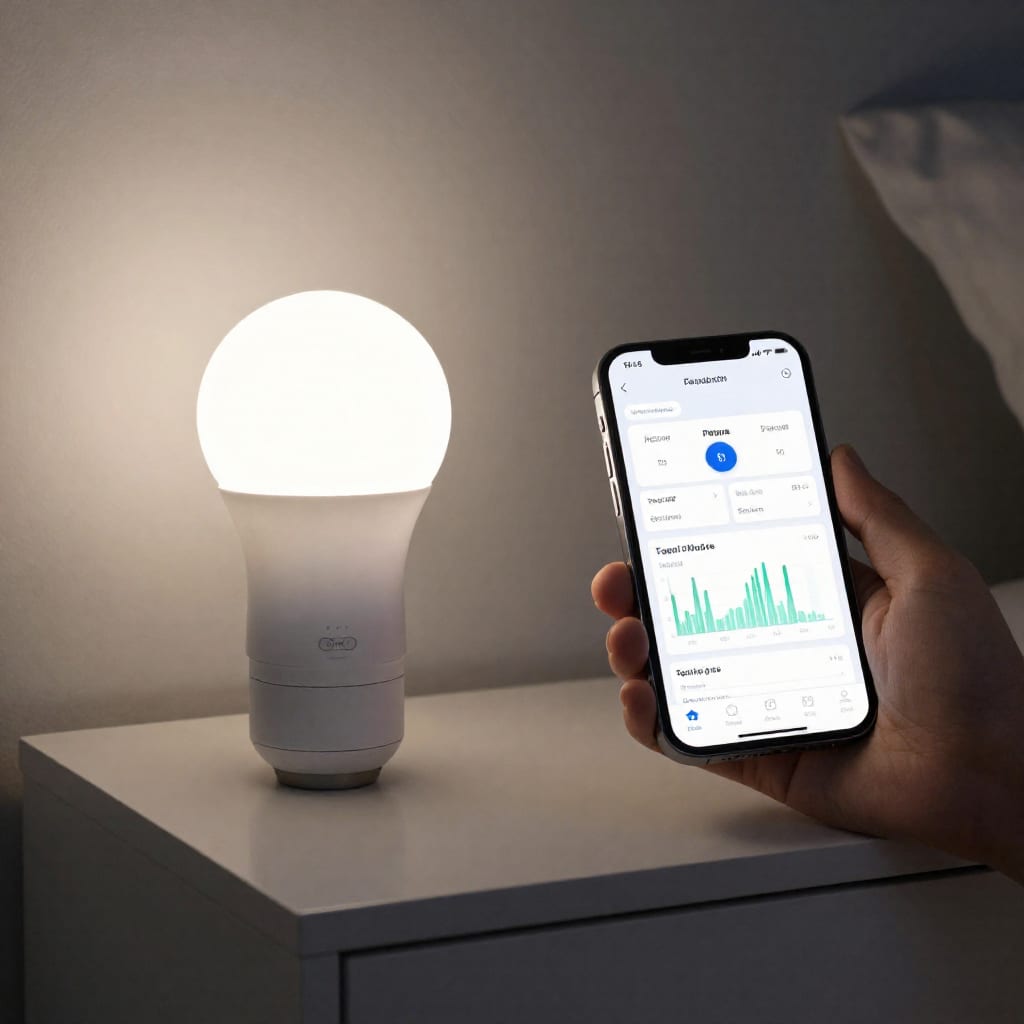
Philips Hue and LIFX remain the gold standards in 2026. Both offer LED bulbs that last 25,000+ hours—that’s about 22 years of typical use—and draw 80% less energy than incandescents. But the real sustainability win comes from adaptive lighting: bulbs that dim or brighten based on daylight and occupancy.
I installed Hue motion sensors in my hallway and bathroom. Now, lights turn on when I enter and off two minutes after I leave—no more hunting for switches or leaving lights on all day. Combined with sunrise/sunset scheduling (via geofencing), I’ve cut my lighting energy use by roughly 60% compared to my old manual setup.
What to look for:
- Motion sensors with configurable timeouts
- Daylight-sensing bulbs that auto-adjust color temperature (cool in morning, warm at night)
- Matter support for easy integration with your thermostat and plugs
4. Smart Water Controllers That Stop Waste Before It Starts
Water waste is often invisible, but it’s a huge sustainability drain. The Rachio 3 Smart Sprinkler Controller uses local weather data (rain, humidity, wind) to skip watering when it’s unnecessary. A 2023 study from the Irrigation Association found that smart controllers reduce outdoor water use by up to 50%. In my yard, Rachio saved about 8,000 gallons in the first summer—enough to fill a small swimming pool.
The Flo by Moen goes further: it monitors your entire home’s water flow, detects leaks as small as a dripping faucet, and can shut off the main valve automatically if it senses a burst pipe. That’s not just water savings—it’s damage prevention. One friend of mine had a slow leak under her kitchen sink; Flo alerted her before it rotted the cabinet. A $500 device saved her a $3,000 repair.
Key considerations:
- Rachio works best with existing in-ground sprinkler systems
- Flo requires professional installation for the main valve shutoff
- Both integrate with Alexa, Google Home, and Apple HomeKit
5. Solar-Powered and Energy-Generating Smart Devices
This category is still niche but growing fast in 2026. Solar-powered smart blinds like IKEA’s FYRTUR use a small panel to charge during the day, then automatically close in the afternoon to block heat—reducing AC load without wiring. I installed two in my south-facing windows; on a 90°F day, the room stayed 5°F cooler, and my AC ran 45 minutes less.
Self-powered sensors from EnOcean harvest energy from slight temperature changes or light—no batteries needed. They’re ideal for outdoor gates, shed doors, or attic temperature monitoring. And plug-in solar chargers (like the BigBlue 28W) can top off phones and tablets directly, offsetting a small but real portion of your grid draw.
The honest truth: these devices won’t power your home. But they reduce dependency on batteries and grid electricity, and they align with net-zero goals. For apartments, even a small solar charger makes a statement—and saves a few cents per charge.
6. Whole-Home Energy Monitors That Give You Superpowers
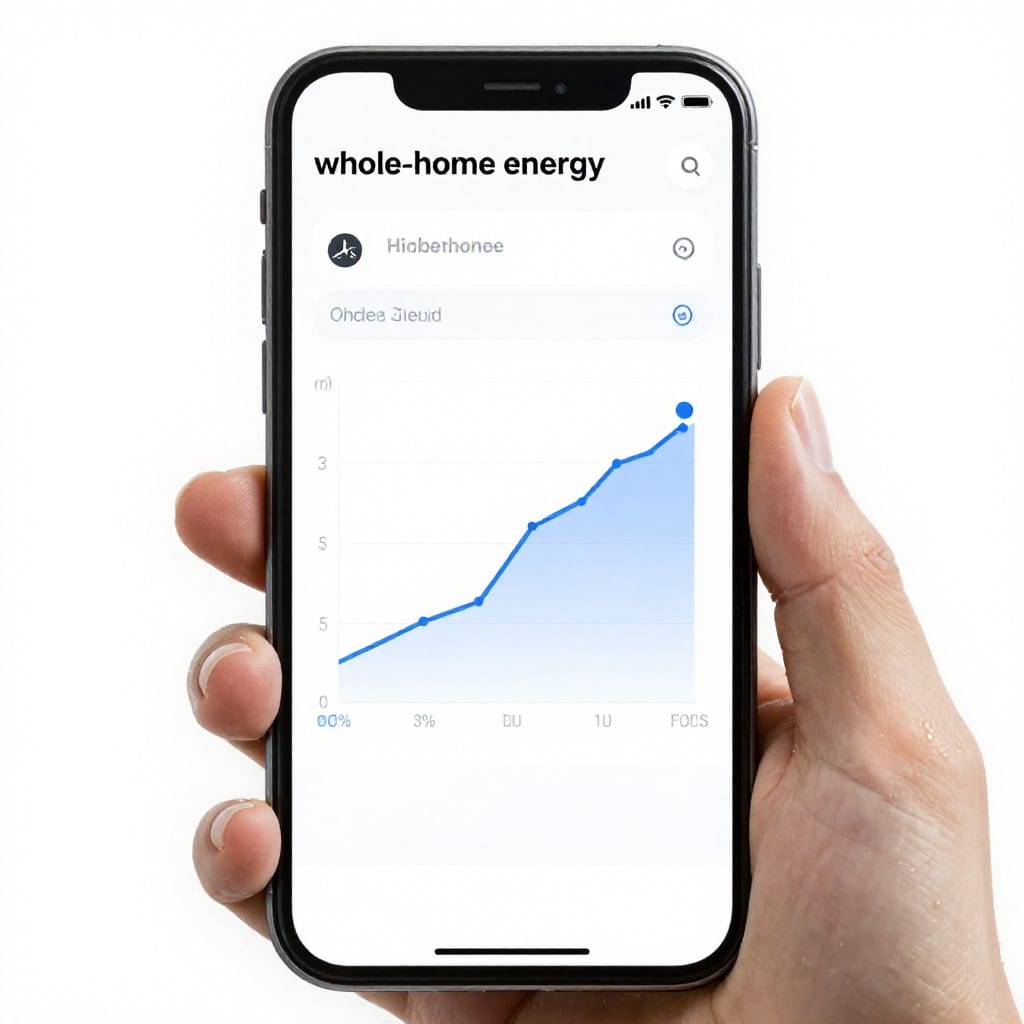
The Sense Energy Monitor and Emporia Vue are like a fitness tracker for your house. They clip onto your breaker panel and use machine learning to identify individual appliances—your fridge, oven, EV charger, even a space heater. In real time, you see exactly how much each device draws.
After installing Emporia Vue last year, I discovered my 10-year-old refrigerator was using 1,200 kWh/year—twice the average for a modern Energy Star model. Replacing it saved me $180 annually. The monitor also alerted me when my well pump was running abnormally long (a sign of a leak). The payback period for a $150 monitor? About 8–10 months, based on the fridge replacement alone.
Pro tip: Look for monitors that integrate with your utility’s time-of-use rates, so you can shift heavy loads (like EV charging or laundry) to off-peak hours. Emporia Vue does this out of the box.
7. Smart Vents and Zoning Systems for Targeted Efficiency
Most homes have a single HVAC zone—one thermostat controls the whole house. That means you’re heating or cooling empty bedrooms while you’re in the living room. Flair Smart Vents and Keen Home Smart Vents solve this by opening and closing individual vents based on room temperature and occupancy.
I paired Flair vents with my Ecobee thermostat. In a 2,400 sq. ft. house, the system closed vents in three unused bedrooms during the day and redirected airflow to the main living area. My HVAC runtime dropped by 18% in the first month, and my upstairs bedroom (always too hot) became comfortable without running a separate window unit. Installation took about 20 minutes per vent—just swap out the existing register.
Caveats to know:
- Not compatible with all HVAC systems (especially older ones with high static pressure)
- Requires a smart thermostat for best results
- Can interfere with heat pumps if not configured correctly—consult a pro
Conclusion: Building Your Sustainability Stack — Start Small, Think Big
The best smart home devices for sustainability-focused homes in 2026 aren’t a single gadget—they’re a stack. A smart thermostat handles the big HVAC savings. Smart plugs tackle vampire loads. A water controller stops leaks. An energy monitor gives you data. And smart vents fine-tune the whole system.
My advice: start with one high-impact device (thermostat or plugs) and expand as you see the savings. Make sure everything you buy supports Matter or Thread—that’s the key to a system that plays nice together without headaches. And always check your utility’s rebate page before purchasing; many will cover half the cost of qualifying devices.
Your home can be both smarter and greener—one device at a time.
Frequently Asked Questions
What is the single most impactful smart home device for sustainability?
A smart thermostat—it typically cuts HVAC energy use by 20–30%, making it the highest ROI for most homes.
Do smart plugs really save enough energy to justify their cost?
Yes, especially for devices on 24/7 standby (vampire loads). A $10 smart plug can save $5–15/year per outlet, paying for itself in 1–2 years.
Can smart home devices work without an internet connection?
Many (like thermostats and some lights) have local control via Bluetooth or Zigbee, but full cloud features require internet. For sustainability, local scheduling still works offline.
How do I ensure my smart devices are actually saving energy, not just adding complexity?
Use devices with built-in energy monitoring (e.g., Sense, Kasa with monitoring) and check your utility bill monthly. Stick to standards like Matter for easy integration.
Are solar-powered smart devices worth it for apartments?
Yes, for small devices like sensors or blinds. Even modest solar chargers for phones/tablets reduce grid draw. But full solar generation is limited without roof access.